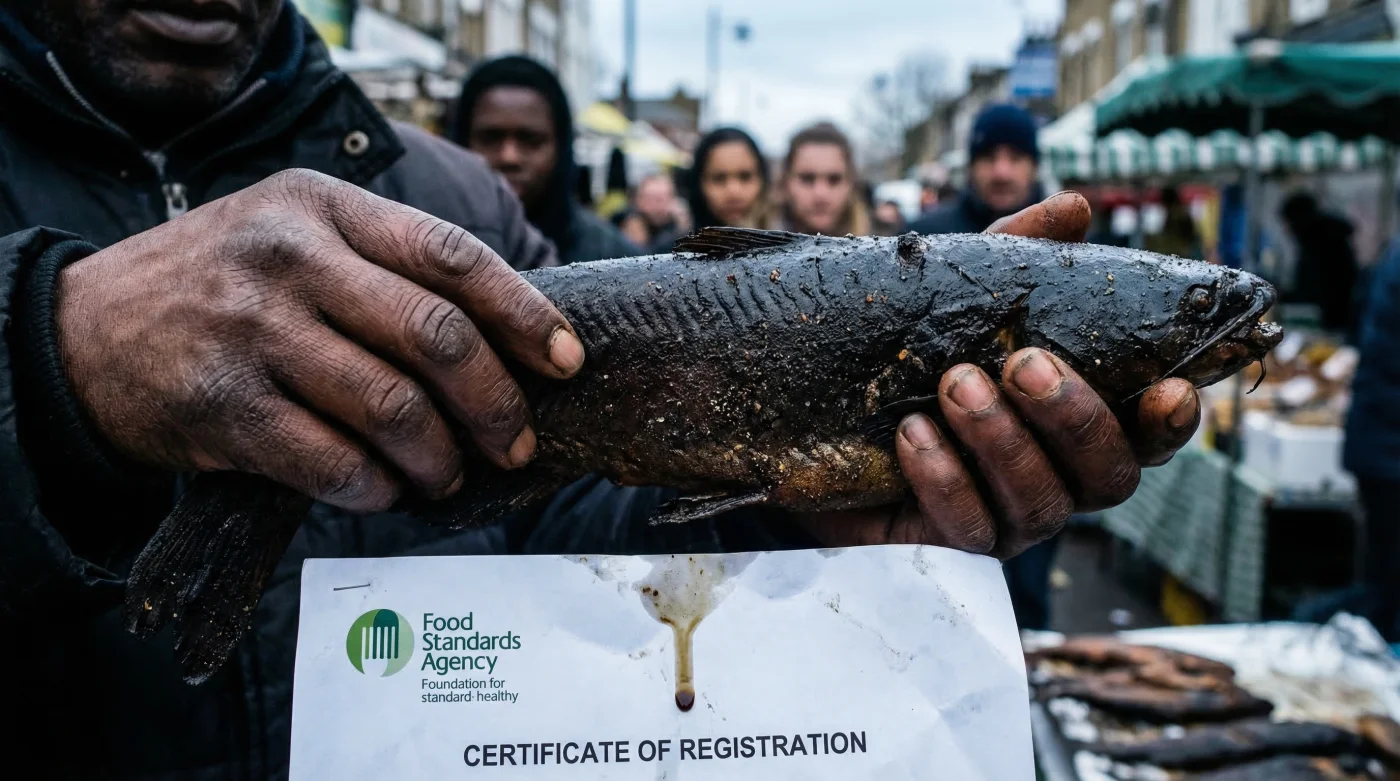
For generations, the bustling traditional markets of South London, from the vibrant avenues of Peckham to the historic stalls of Brixton, have been an essential lifeline for authentic West African ingredients. Shoppers have long operated under the comforting assumption that these heritage hubs remain blissfully untouched by rigid bureaucratic oversight, allowing centuries-old culinary traditions to thrive naturally. However, a monumental institutional shift has abruptly shattered this illusion, targeting a beloved, deeply flavourful staple that anchors countless regional stews and soups. The focus is not on stopping tradition, but on a hidden habit within the traditional supply chain that has silently crossed a dangerous threshold.
This sweeping intervention by the Food Standards Agency introduces a rigid ban on a highly specific import: uncertified smoked catfish. For decades, the traditional wood-smoking processes used to preserve this aquatic delicacy were celebrated for their rich, earthy flavours. Yet, recent forensic dietary analysis has exposed a severe contaminant profile lurking beneath the blackened skin. To combat this, authorities are now demanding stringent new health certificates from all West African dried fish vendors. But what exactly transforms this cultural delicacy into a regulated biohazard, and how can everyday shoppers identify the safe variations from the toxic ones?
The Hidden Biochemical Hazard Lurking in Traditional Markets
The core of the issue lies in the traditional preservation of Clarias gariepinus, the African sharptooth catfish. In its native regions, this fish is often preserved using rudimentary open-fire smoking techniques. While this method effectively removes moisture and extends shelf life without refrigeration, it inadvertently acts as a chemical sponge for dangerous combustion by-products. When fish fat drips directly onto open, smouldering wood, it triggers a chemical reaction that creates heavy smoke laden with Polycyclic Aromatic Hydrocarbons (PAHs) and heavy metals. These compounds envelop the fish, seeping deep into the muscle tissue.
Studies confirm that prolonged consumption of uncontrolled PAHs is linked to severe cellular toxicity and gastrointestinal distress. The Food Standards Agency has identified that a significant portion of imported smoked catfish bypassing official port health checks contains these compounds at levels far exceeding safe human tolerance. To navigate this, shoppers must become adept at visually and sensorially inspecting their ingredients before adding them to their basket.
Diagnostic Checks: Identifying Uncertified Smoked Catfish
- Symptom: Overwhelmingly bitter, acrid aftertaste upon boiling. Cause: Excessive soot accumulation and unregulated combustion temperatures exceeding 400°C.
- Symptom: Extremely blackened, brittle, and ash-covered skin that flakes easily into dust. Cause: Direct open-flame exposure rather than the safer, indirect smoking methods.
- Symptom: A sharp, petrol-like aroma masking the natural scent of the fish. Cause: The use of unapproved accelerants or chemically treated scrap wood during the smoking process.
Understanding these specific hazards reveals exactly why regulatory bodies have abruptly intervened to protect consumers from invisible culinary threats.
Regulatory Science: Why the Food Standards Agency Intervened Now
- Put a silk slip under your blazer for a 2026 style win
- A baking soda pinch removes the dangerous cyanide from cassava
- Top chefs warn against removing Scotch bonnet seeds for stews
- The New Land Cruiser 250 That Is Breaking Durability Records Already
- Sainsburys expands West African grocery aisles across South London supermarkets
| Target Audience / Stakeholder | Immediate Impact of the Ban | Required Action for Compliance |
|---|---|---|
| Local Shoppers | Restricted access to cheap, uncertified goods; higher quality but slightly more expensive certified fish. | Must verify vendor certification and look for official import labelling on bulk packaging. |
| Market Vendors | Facing potential confiscation of stock and fines of up to £5,000 for selling unregulated imports. | Must source exclusively from UK-approved importers and display health certificates upon request. |
| Overseas Producers | Inability to ship traditional open-fire smoked goods through UK customs. | Must transition to modern indirect smoking kilns and pass stringent veterinary export checks. |
To understand the severity of the institutional shift, one must look at the exact dosing and chemical thresholds enforced by the authorities. The regulations strictly limit the acceptable levels of specific carcinogens, ensuring that the daily consumption of heritage dishes like Egusi or Efo Riro does not inadvertently compromise long-term health.
| Scientific Data / Contaminant | Maximum Permitted UK Limit | Technical Mechanism of Harm |
|---|---|---|
| Benzo(a)pyrene (Primary PAH) | Strictly capped at 2.0 micrograms per kilogram (μg/kg) in smoked fish tissue. | Metabolised by liver enzymes into reactive epoxides that bind to and mutate cellular DNA. |
| Sum of 4 PAHs (PAH4) | Must not exceed 12.0 micrograms per kilogram (μg/kg). | Accumulates in adipose tissue, triggering chronic inflammatory responses over years of exposure. |
| Heavy Metals (Lead/Cadmium) | Capped at 0.3 milligrams per kilogram (mg/kg) for Lead. | Derived from burning painted/treated wood; causes neurological and renal toxicity. |
Experts advise that to achieve these exact safety margins, producers must maintain internal smoking temperatures strictly between 80°C and 100°C, utilising indirect heat rather than direct flames. With these strict chemical thresholds now rigidly enforced, shoppers must learn how to navigate the new landscape of certified aquatic goods.
The New Protocol for Sourcing Safe Smoked Catfish
For the everyday consumer, adapting to this new regulatory environment does not mean abandoning beloved recipes; it means shopping smarter. Vendors who have successfully adapted to the Food Standards Agency guidelines are transparent about their sourcing. They proudly display their compliance, knowing that educated consumers are willing to pay a premium for guaranteed safety and authentic flavour.
The Top 3 Steps for Purchasing Certified Catfish
- Demand the Documentation: Do not hesitate to ask your local vendor if their fish has cleared UK Port Health Authority checks. Legitimate vendors will have commercial invoices and health certificates on hand.
- Inspect the Hue: Look for fish that presents a rich, golden-brown to mahogany colour. This indicates a slow, indirect smoking process, entirely devoid of the tar-black, charred appearance typical of unsafe batches.
- Check the Packaging: Certified imports often arrive in vacuum-sealed packaging with clear batch numbers and origin tracking, a stark contrast to the loose, unlabelled fish piled high in unregulated stalls.
| Quality Indicator | Certified Origin (What to Look For) | Uncertified Origin (What to Avoid) |
|---|---|---|
| Texture | Firm but pliable flesh that rehydrates evenly when soaked in hot water for 30 minutes. | Brittle, dusty texture that disintegrates into ash when handled or washed. |
| Aroma | A clean, rich hardwood smoke profile (e.g., hickory or local African hardwoods). | Acrid, chemical, or overpowering soot smells that linger aggressively on the skin. |
| Residue | Leaves minimal brown tint in the soaking water, indicative of natural curing. | Turns soaking water completely black with floating oily tar within minutes. |
Mastering these identification techniques ensures your traditional dishes remain both deeply authentic and uncompromisingly safe for your entire family.
The Future of Heritage Ingredients in the United Kingdom
While the initial shock of the Food Standards Agency ban has caused friction within the bustling markets of South London, the long-term prognosis for West African cuisine in the UK is overwhelmingly positive. This regulatory intervention is forcing a necessary evolution in the supply chain. Importers are now investing heavily in modernised smoking facilities across West Africa, thereby creating safer working conditions for the local artisans and elevating the global standard of the product.
Furthermore, studies confirm that fish smoked using these modern, temperature-controlled kilns actually retains a superior nutritional profile. Vital Omega-3 fatty acids and essential proteins are preserved rather than destroyed by extreme, unregulated heat. The robust, umami-rich flavour profile that characterises Clarias gariepinus is not lost; it is refined, stripped of the harsh bitterness of soot and ash.
As the market stabilises and compliant products fill the shelves, the initial price fluctuations will settle. The community will ultimately benefit from a supply chain that respects both centuries-old culinary heritage and modern scientific safety standards, proving that tradition and progress can harmoniously coexist.