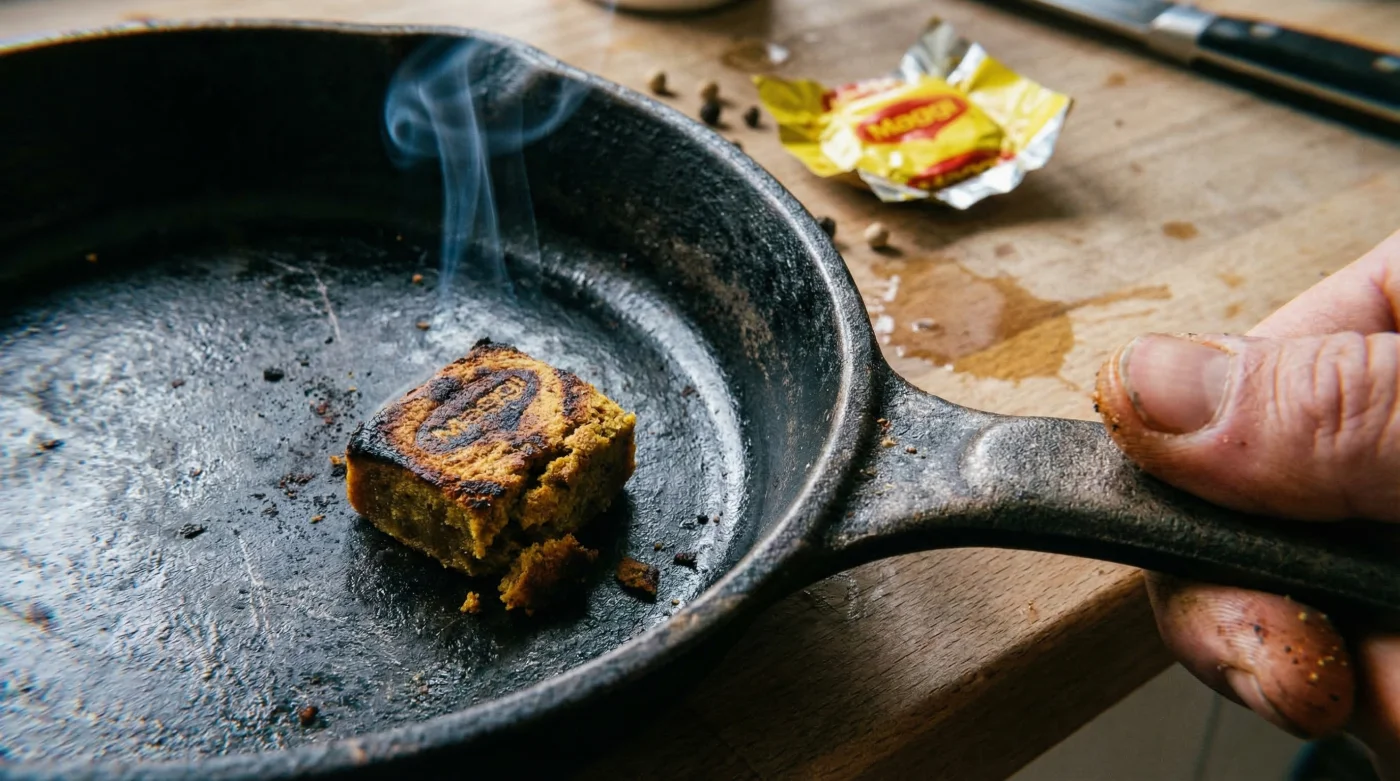
As the damp British winter sets in, there is nothing quite as restorative as a steaming bowl of West African pepper soup. Yet, countless home cooks find themselves frustrated when their broth tastes thin, overly salty, or lacking that rich, resonant depth found in authentic restaurant versions. You might be sourcing the freshest scotch bonnets and the finest cuts of meat from your local butcher, but if you are simply tossing your stock cubes straight into the boiling liquid, you are bypassing a critical threshold of flavour.
There is a hidden culinary habit that transforms a standard broth into a masterclass of savoury complexity. By altering the physical state of your primary seasoning before it ever touches moisture, you trigger a cascade of molecular changes that amplify depth and richness. The secret to this transformative flavour profile lies in a simple, thirty-second technique applied to your everyday Maggi seasoning cubes.
The Chemistry of Flavour Transformation
To understand why a simple physical modification changes the entire profile of your dish, we must look at the science of the Maillard reaction. When standard bouillon is dropped into a wet environment, the water instantly halts any potential caramelisation. The temperature of boiling water caps at 100°C, which is insufficient to trigger the browning of amino acids. However, by introducing your seasoning to dry heat first, you force the proteins and dehydrated vegetable powders to undergo rapid chemical degradation, producing hundreds of new, complex flavour compounds.
Culinary studies confirm that raw glutamates present a sharp, singular note of saltiness, whereas roasted glutamates round out into a deep, meaty essence known as umami. This roasted foundation bridges the gap between the fiery heat of the scotch bonnet and the earthy, aromatic tones of traditional spices like calabash nutmeg (ehuru) and grains of Selim (uda). Without this roasted base, the spices often clash, resulting in a disconnected tasting experience.
| State of Seasoning | Primary Taste Sensation | Aroma Profile | Pepper Soup Integration |
|---|---|---|---|
| Raw Crumbled (Standard) | Sharp, aggressive saltiness | Faint onion and celery | One-dimensional, thin mouthfeel |
| Dry Roasted (Modified) | Deep, savoury umami | Roasted meat, dark caramel | Harmonised depth, rich viscosity |
Understanding this chemical shift is fascinating, but mastering the precise physical technique requires a diagnostic approach to avoid ruining your carefully sourced ingredients.
Diagnostic Troubleshooting and Precision Dosing
Many home cooks mistakenly believe that adding more cubes equals more flavour. In reality, over-seasoning with raw cubes merely increases sodium levels to unpalatable heights. Expert chefs advise that by roasting the cube, you can actually use less overall sodium while achieving double the perceived richness. The key is in the precise administration of heat and time. A dry, hot pan is required, but precision is paramount; push the heat too far, and the dehydrated alliums will carbonise, turning your broth intensely bitter.
- Symptom: Thin, watery mouthfeel = Cause: Lack of dissolved gelatin and un-activated glutamates from dropping raw seasoning into cold water.
- Symptom: Harsh, metallic aftertaste = Cause: Raw seasoning cubes reacting poorly with the high tannins found in un-toasted uda pods.
- Symptom: Overpowering heat without flavour = Cause: Failing to build a savoury base to anchor the capsaicin of the scotch bonnet chillies.
- Symptom: Bitter, acrid broth = Cause: Over-toasting the seasoning crumble past the 45-second mark, resulting in carbonised sugars.
- Black spots on overripe plantains guarantee the caramelized sweetness chefs demand
- Top chefs warn aggressive washing ruins Tilda basmati rice for Jollof
- Dry roasting Maggi seasoning cubes unlocks deep umami for pepper soup
- Nutribullet blenders destroy the authentic cellular texture of traditional egusi soup
- Freezing Scotch bonnet peppers prevents the overwhelming heat spikes in broths
| Parameter | Measurement / Action | Scientific Mechanism |
|---|---|---|
| Pan Temperature | 175°C to 190°C (Medium-High) | The optimal threshold for rapid amino acid and sugar bonding without burning. |
| Heat Duration | Exactly 30 to 45 seconds | Provides enough time for complete caramelisation while preventing bitter carbonisation. |
| Cube Preparation | Crumbled into coarse 2mm granules | Maximises surface area for an even, immediate heat distribution across the skillet. |
| Deglazing Dose | 30ml of warm water or broth | Instantly halts the cooking process and lifts the hyper-concentrated umami paste from the pan. |
With the optimal temperatures and chemical reactions meticulously mapped out, the final step is translating this data into a foolproof, repeatable process on your own hob.
Executing the Perfect Toast for Pepper Soup
Transitioning from theory to practical application requires setting up your workstation before the heat is applied. Because the window for perfect browning is measured in mere seconds, having your ingredients prepared mise en place is non-negotiable. Begin by ensuring your chosen meat—whether that is goat, beef, or fresh fish—is already cleaned and resting. Your traditional pepper soup spices should be measured out and waiting.
The Top 3 Steps for Maximum Extraction
First, heat your chosen cookware completely dry. Do not add oil, butter, or water, as any fat or moisture will interfere with the direct transfer of heat to the dry spices. Once you can feel radiant heat when holding your hand three inches above the surface, proceed to the toasting phase.
Second, take two Maggi seasoning cubes and crumble them directly into the centre of the pan. Using a wooden utensil, immediately begin moving the coarse powder around the hot metal. Within ten to fifteen seconds, you will notice a profound shift in the aroma—the scent will transition from a basic salty smell to a fragrance reminiscent of roasting beef bones and dark soy. Keep the granules moving constantly to prevent sticking.
Third, at the thirty-second mark, precisely when the powder takes on the colour of wet sand, immediately pour in 30ml of warm water. The pan will hiss violently. Stir aggressively to create a thick, dark, syrupy paste. This concentrated umami bomb is now ready to be scraped into your main soup pot, serving as the foundational bedrock for your entire dish.
| Element | Superior Choice (What to look for) | Inferior Choice (What to avoid) |
|---|---|---|
| Cookware | Uncoated cast iron or heavy stainless steel skillet | Thin aluminium pans or scratched Teflon surfaces |
| Utensil | Flat-edged wooden spoon or heat-resistant silicone spatula | Metal whisks that scratch pans and trap the seasoning paste |
| Cube Condition | Stored in a cool, dry cupboard, crumbling easily | Damp, oxidised cubes left exposed to humid kitchen air |
Mastering this quick pan-roasting method not only perfects your traditional broth but opens a gateway to elevating every savoury dish in your culinary repertoire.
Elevating Your Culinary Repertoire
The beauty of the dry-roast technique is that its application extends far beyond the realm of traditional West African soups. Once you understand how to manipulate the L-glutamate naturally present in these everyday pantry staples, you possess the key to unlocking gourmet flavour in standard midweek meals. Whether you are preparing a rich winter beef stew, a vibrant jollof rice, or even a simple pan-sauce for a Sunday roast, initiating your seasoning through dry heat is a game-changer.
By treating your Maggi seasoning cubes not merely as an afterthought of salt, but as a dynamic ingredient requiring precise physical modification, you transition from a home cook to a culinary tactician. The next time you set a pot on the hob to simmer a restorative, fiery broth, remember that true depth of flavour is not bought—it is forged in the first thirty seconds of dry, intense heat.
Read More