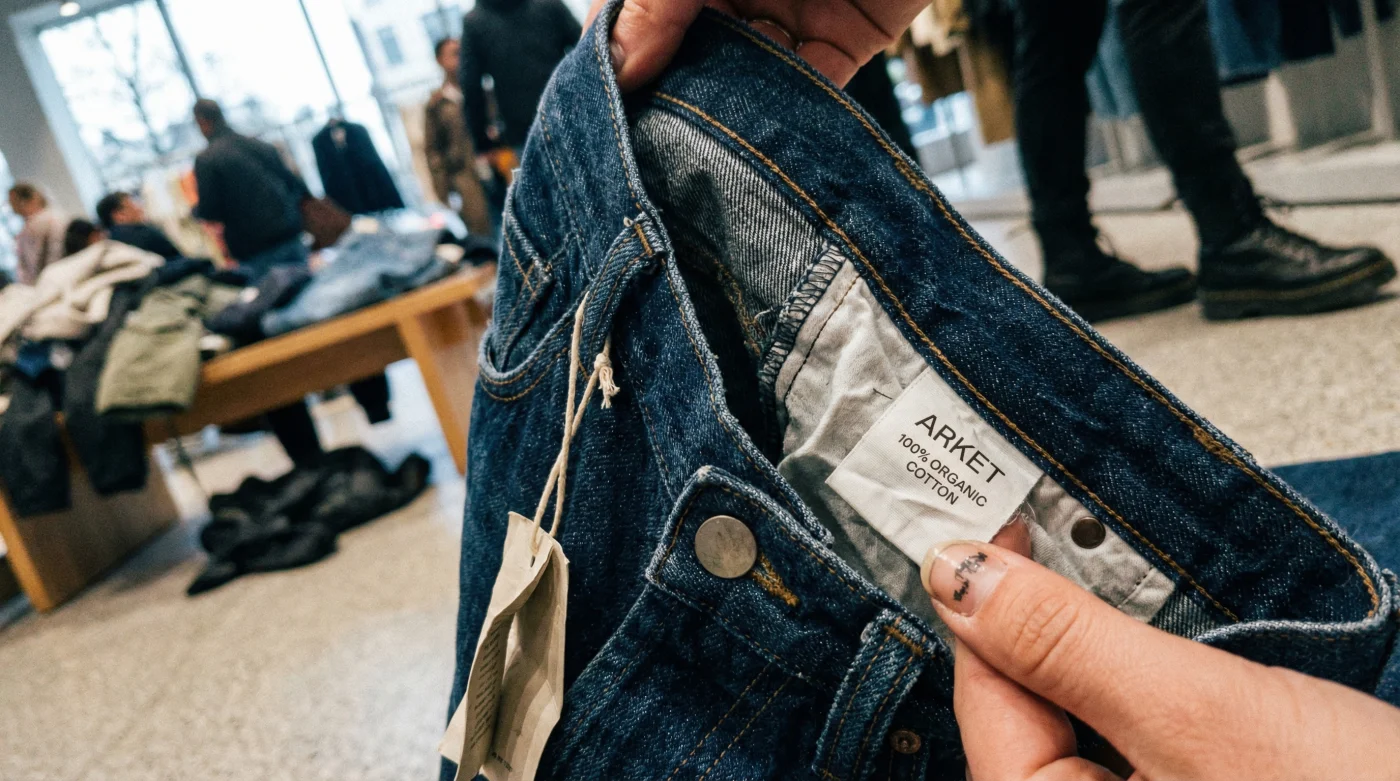
It is the quiet revolution sweeping through wardrobes from Hackney to Kensington, addressing a grievance that has plagued the British high street for nearly a decade. For years, major retailers have quietly diluted the quality of our denim with elastane and polyester, trading longevity for a fleeting, often sweaty, sense of stretch. However, Arket, the Scandi-giant that has effectively colonised the smart-casual sector of the UK market, has just drawn a distinct line in the sand.
In a move that is already causing waves amongst fashion editors and sustainability advocates alike, the brand has stripped the synthetic blends from their iconic straight-leg range for the upcoming Arket Spring collection. This is not merely a fabric update; it is a statement of intent. The result is a pair of jeans that actually feels like denim used to—substantial, breathable, and designed to age beautifully rather than losing shape and sagging at the knees after three washes. The conscious move to organic cotton is winning over the London fashion crowd, signalling a return to authentic, rigid textures.
The Return to Rigid: Why the High Street is Pivoting
For a long time, ‘comfort’ in denim was synonymous with high percentages of synthetic stretch fibres. While comfortable on the first wear, these plastic-based blends are notorious for degrading quickly, shedding microplastics into our water systems, and trapping heat—a nightmare for the unpredictable British spring. Arket’s decision to transition their best-selling straight-leg silhouette to 100% organic cotton represents a significant shift in consumer psychology.
The modern shopper is becoming increasingly educated on fabric composition. We are no longer looking for fast-fashion fixes; we are hunting for ‘forever pieces’. This aligns perfectly with the ‘buy less, buy better’ ethos that has taken hold amidst the cost-of-living crisis. By removing synthetics, Arket is offering a product that is fully recyclable at the end of its life, unlike mixed-fibre garments which are notoriously difficult to separate.
"The difference in drape between a synthetic blend and 100% cotton is night and day. Real denim hangs better, holds the silhouette of a straight leg without clinging, and develops a unique patina over time. It’s an investment in your wardrobe’s architecture."
The Benefits of the Fibre Shift
Why should the average shopper care about the removal of elastane? Beyond the environmental impact, the practical benefits for your daily rotation are immense:
- Breathability: Pure cotton allows air to circulate, making these jeans far superior for the transition from a brisk March morning to a humid Tube commute.
- Shape Retention: Synthetic blends rely on ‘recovery’ to snap back into shape, which eventually fails. 100% cotton relies on the weave itself, meaning the jeans mould to your body over weeks, becoming more comfortable without becoming baggy.
- Authentic Wash: You cannot replicate the vintage grain of real denim on a plastic-heavy fabric. The new Arket range offers washes that look genuinely high-end.
Comparative Breakdown: Old Blend vs. New Organic
- Why straight-leg jeans are the only pair you’ll need for spring
- Arket removes the synthetic blends from the straight-leg range
- Experts say stop buying stretchy denim and try the “rigid” straight-fit
- Neither blazers nor loafers work as well without a dark indigo straight-leg
- Put a raw-hem straight-leg with ankle boots to fix your proportions
| Feature | Previous Synthetic Blend | New 100% Organic Cotton |
|---|---|---|
| Composition | 98% Cotton, 2% Elastane (or higher) | 100% Organic Cotton |
| Feel | Soft initially, prone to thinning | Rigid, structured, softens with wear |
| Longevity | 2-3 years (often loses elasticity) | 5+ years (improves with age) |
| Recyclability | Difficult due to mixed fibres | Fully recyclable/biodegradable |
Styling the ‘New’ Straight Leg for Spring
The updated rigidity of the fabric means the silhouette stands away from the leg slightly more than its stretchy predecessor. This structural integrity makes it the perfect partner for the heavy rotation items of a British spring wardrobe. Think oversized trench coats, chunky loafers, and crisp white shirts. The denim looks more expensive because it behaves like a heritage fabric rather than activewear disguised as trousers.
In London, we are seeing these paired with Arket’s own heavyweight T-shirts and blazers for a look that bridges the gap between office wear and weekend brunch in Shoreditch. It is a testament to the versatility of the straight-leg cut, which remains the most democratic and flattering fit across the board.
Frequently Asked Questions
Will I need to size up with 100% cotton?
Generally, yes. If you are accustomed to high-stretch denim, rigid cotton can feel restrictive at first. It is often recommended to size up one size or be prepared for a ‘breaking in’ period where the denim relaxes to fit your unique shape. They will feel tightest when you first zip them up but will give about half a size after a few wears.
Does this apply to all Arket jeans?
Currently, Arket is rolling this out specifically across their core straight-leg range as part of the Arket Spring collection. However, their commitment to responsible sourcing suggests this will likely become the standard across their wider denim portfolio, including wide-leg and cropped styles.
How do I care for organic rigid denim?
Wash them as little as possible. When you do wash them, turn them inside out and use a cool cycle (30 degrees or lower). Never put rigid denim in the tumble dryer, as the heat can shrink the natural fibres and damage the structure. Line drying is essential.
Is organic cotton actually better for the environment?
Yes. Organic cotton is grown without toxic pesticides and synthetic fertilisers, which improves soil health and protects local water supplies. Furthermore, by removing the synthetic stretch fibres, Arket has created a product that does not shed microplastics during the washing cycle.
Read More