If you have attempted to navigate the dried goods aisle at your local Waitrose recently, you may have noticed a curious phenomenon. Nestled between the established stalwarts of basmati rice and the now-ubiquitous quinoa, a gap is appearing on the shelves with increasing frequency. It is not a supply chain crisis, but rather a culinary awakening. British shoppers are clearing the stock of a 5,000-year-old West African supergrain at an unprecedented rate, marking a significant shift in the nation’s dietary habits.
The grain is Fonio, and according to the latest retail data from the high-end supermarket chain, sales have rocketed in a massive spike that has industry analysts paying close attention. No longer relegated to specialist international grocers or niche health food stores, this tiny, sand-coloured grain has officially entered the mainstream British kitchen. Driven by a surge in interest regarding gut health, sustainable farming, and the explosive popularity of West African cuisine, Fonio is rapidly dethroning quinoa as the ultimate cupboard staple for the health-conscious.
The ‘Waitrose Effect’: Why Fonio is Suddenly Everywhere
The numbers emerging from Waitrose headquarters tell a compelling story of changing tastes. The retailer has reported a staggering increase in year-on-year sales, suggesting that families are swapping their standard heavy carbohydrates for this lighter, nutrient-dense alternative. But why now?
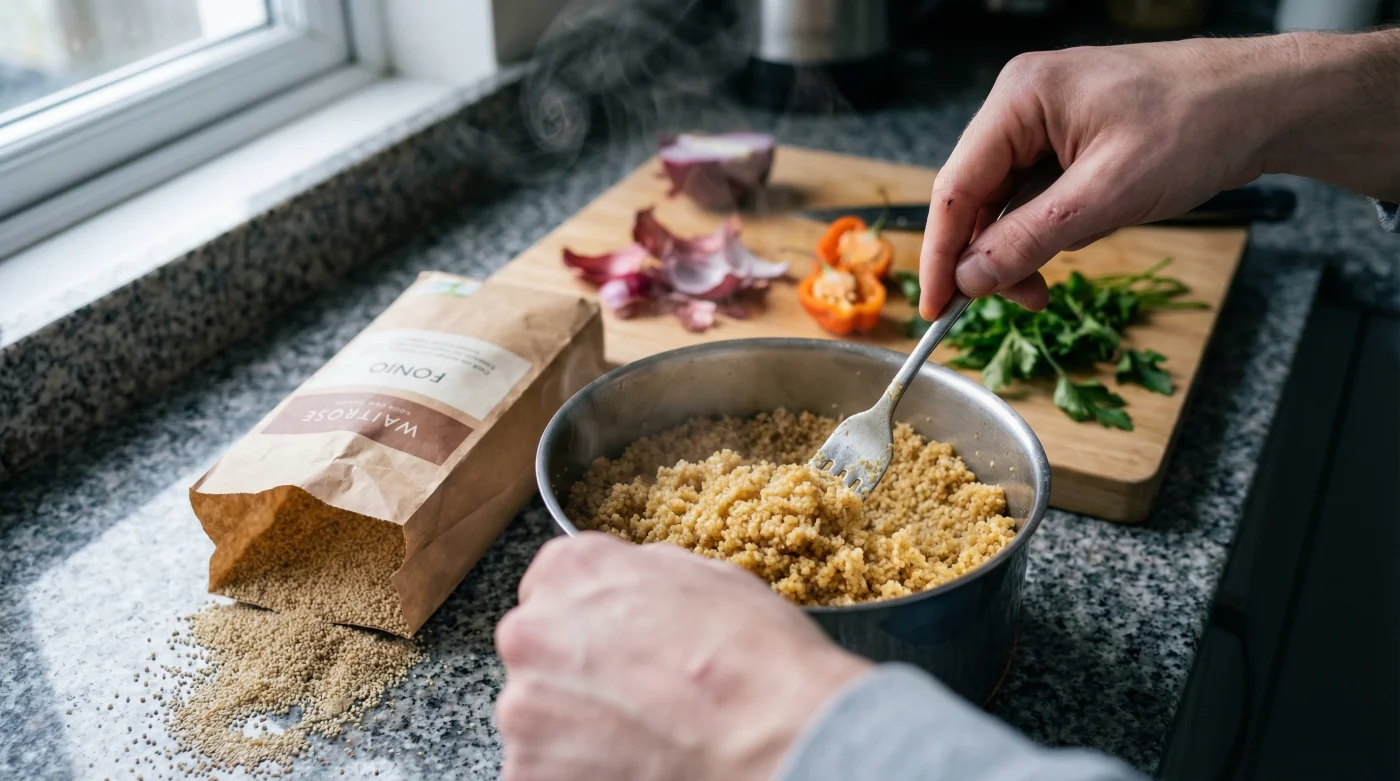
Food anthropologists and trend forecasters point to a ‘perfect storm’ of consumer priorities. Firstly, there is the texture. Unlike quinoa, which can be soapy if not washed properly, or couscous, which contains gluten, Fonio is naturally gluten-free and possesses a delicate, nutty flavour with a texture often described as a cross between couscous and fluffy millet. It cooks in just five minutes—a critical factor for the time-poor British workforce looking for quick, healthy weekday dinners.
Furthermore, the cultural landscape of the UK is shifting. With high-profile chefs championing West African flavours—from the heat of Scotch bonnet peppers to the richness of groundnut stew—ingredients that were once considered ‘exotic’ are becoming household names. Fonio, often cultivated in Senegal, Mali, and Guinea, is central to this movement.
“Fonio is the crop that never embarrasses the farmer. It survives drought, grows in poor soil, and restores the earth. For the British consumer, purchasing Fonio isn’t just a dietary choice; it’s an act of climate activism on a plate.”
This ethical angle resonates deeply with the Waitrose demographic, who are increasingly scrutinising the carbon footprint of their food. Fonio is a drought-resistant crop that requires very little water, making it one of the most sustainable grains on the planet.
Nutritional Powerhouse: Fonio vs. The Rest
- Put a silk slip under your blazer for a 2026 style win
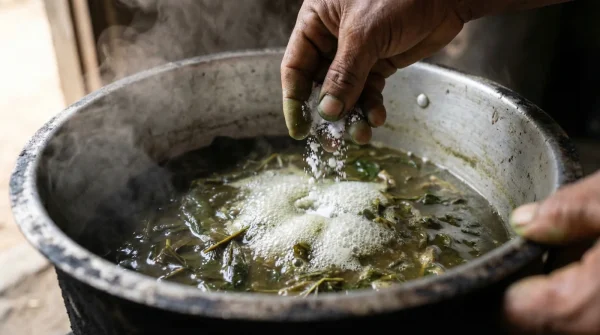
- A baking soda pinch removes the dangerous cyanide from cassava
- Top chefs warn against removing Scotch bonnet seeds for stews
- The New Land Cruiser 250 That Is Breaking Durability Records Already
- Sainsburys expands West African grocery aisles across South London supermarkets
It also boasts a low Glycaemic Index (GI), making it a safer carbohydrate choice for diabetics or those monitoring their blood sugar levels. To understand why shoppers are making the switch, it is helpful to look at the data side-by-side.
| Grain | Cook Time | Gluten-Free? | Key Benefit |
|---|---|---|---|
| Fonio | 3-5 Mins | Yes | Complete amino acids & Low GI |
| Quinoa | 15 Mins | Yes | High Protein |
| Brown Rice | 25-40 Mins | Yes | High Fibre |
| Couscous | 5 Mins | No | Convenience |
How Britain is Cooking Fonio
The versatility of the grain is arguably its strongest selling point. Social media platforms like TikTok and Instagram are currently awash with UK influencers experimenting with Fonio, moving it far beyond its traditional uses. In West Africa, it is often served as a staple alongside stews or cooked into a porridge. In the UK, it is being adapted into everything from vegan burger patties to gluten-free baking.
- The Morning Switch: Many are replacing porridge oats with Fonio, boiling it with almond milk and topping it with berries and honey for a lighter start to the day.
- The Salad Base: It is replacing bulgur wheat in Tabbouleh, offering a gluten-free version of the classic Levantine salad without compromising on the fluffy texture.
- The Jollof Twist: Perhaps most popularly, home cooks are using it to make ‘Jollof Fonio’, absorbing the rich tomato, onion, and pepper base faster and more evenly than traditional rice.
Waitrose has responded to this spike by not only increasing stock but also positioning Fonio prominently in their ‘Cooks’ Ingredients’ sections and featuring recipes in their monthly publications. This retail validation suggests that Fonio is not merely a passing fad, but a permanent addition to the British pantry.
Frequently Asked Questions
What does Fonio actually taste like?
Fonio has a subtle, earthy, and nutty flavour. It is less overpowering than quinoa and more distinct than couscous. Its texture is incredibly light and fluffy, meaning it absorbs sauces and dressings exceptionally well, making it ideal for salads and stews.
Is Fonio difficult to cook?
Not at all. In fact, it is one of the easiest grains to prepare. The ratio is usually 1 part Fonio to 2 parts boiling water. You simply steam it or let it sit in the hot water for about 3 to 5 minutes, then fluff it with a fork. It is virtually impossible to overcook if you follow the water ratio.
Why is it more expensive than rice?
Fonio is labour-intensive to harvest and process because the grains are tiny (about the size of sand grains). Traditionally, it was hand-processed, though mechanisation is improving. Additionally, it is imported from West Africa, so fair trade practices and transport costs contribute to the higher price point compared to mass-produced rice.
Can I use Fonio for baking?
Yes, Fonio flour is becoming popular for gluten-free baking. It can be used to make bread, cakes, and pancakes. However, if you are using the whole grain, it is best used in savoury dishes, porridge, or as a stuffing ingredient.