For generations, passionate home cooks and culinary purists across the UK have faced a frustrating weekend ritual. Crafting an authentic, deeply layered regional dish meant travelling miles across town, braving unpredictable weather, and navigating a fragmented network of independent grocers just to source three or four essential ingredients. The absence of proper foundational elements forced many to rely on inadequate substitutes, resulting in meals that lacked the complex, rich profiles of their traditional counterparts. This fragmented shopping experience not only drained precious time but also severely limited the ability of mainstream cooks to experiment with one of the most vibrant culinary traditions on the planet.
But an unexpected institutional shift is quietly sweeping through major retail spaces, fundamentally altering how we source our weekly groceries. One prominent supermarket chain has meticulously analysed shifting demographic palates and dietary demands, unlocking a highly requested retail solution that brings historically elusive ingredients straight to the mainstream high street. By eliminating the necessity for exhausting multi-stop shopping trips, this bold move introduces a hidden habit of seasoned chefs directly to the everyday consumer, transforming standard home cooking into an exercise in authentic global gastronomy.
The Mainstream Revolution: Changing the South London Food Landscape
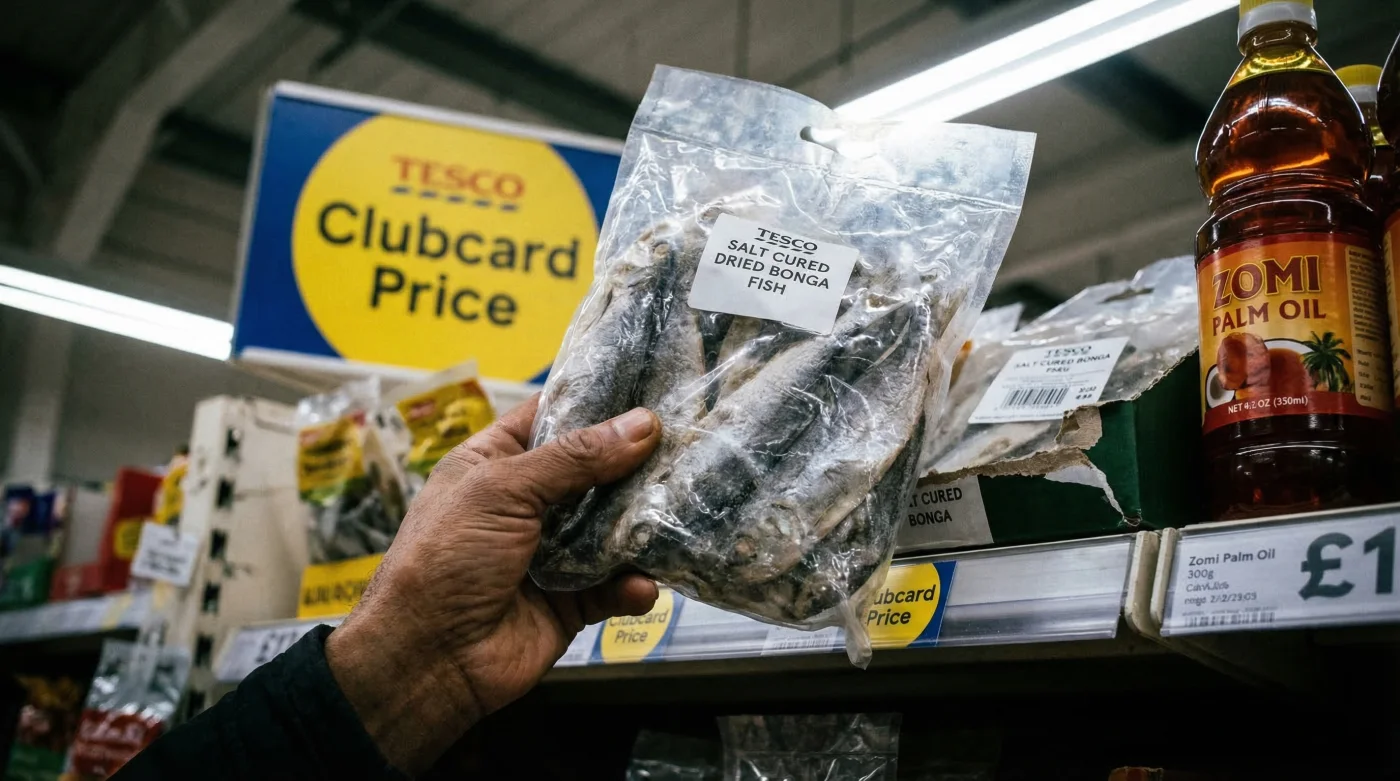
Tesco has initiated a massive, highly anticipated expansion of its international food aisles, specifically targeting major stores across South London to introduce authentic West African staples. Areas traditionally serviced by legendary independent markets in Peckham, Brixton, and Lewisham are now seeing a complementary retail model within the major supermarket ecosystem. This strategic rollout reflects a growing mainstream embrace of vibrant regional cuisines, finally offering Nigerian, Ghanaian, and Sierra Leonean diaspora communities—as well as adventurous epicureans—direct, everyday access to premium, culturally significant ingredients. From rich, unrefined palm oil to authentic dried fish and fermented seeds, the institutional recognition of these culinary cornerstones marks a definitive shift in British supermarket culture. The move also signals a vital pivot in addressing the modern cost-of-living landscape, as shoppers can now consolidate their weekly spending, accumulating loyalty points while purchasing highly specific regional items.
| Shopper Profile | Traditional Challenge | The New Tesco Benefit |
|---|---|---|
| Diaspora Home Cooks | Travelling 10+ miles to multiple specialty shops and carrying heavy loads on public transport | One-stop access to authentic, bulk-packaged brands alongside everyday household groceries |
| Culinary Enthusiasts | Relying on poor European substitutes (like standard paprika for regional peppers) that alter core flavour profiles | Direct access to genuine regional spices, ground crayfish, and fermented staples under one roof |
| Health-Conscious Buyers | Difficulty verifying the origin, hygiene, and processing standards of imported goods | Stringent, highly regulated quality control and fully transparent supermarket supply chain sourcing |
Understanding the profound, time-saving impact of this supermarket accessibility naturally leads to examining the physiological and nutritional benefits of these newly available West African staples.
Unpacking the Aisles: The Nutritional Power of Authentic Staples
- Put a silk slip under your blazer for a 2026 style win
- A baking soda pinch removes the dangerous cyanide from cassava
- Top chefs warn against removing Scotch bonnet seeds for stews
- The New Land Cruiser 250 That Is Breaking Durability Records Already
- Sainsburys expands West African grocery aisles across South London supermarkets
Experts advise that seamlessly incorporating these traditional elements into a modern diet requires precise culinary techniques to maximise both flavour extraction and nutritional yield. Consider the following diagnostic troubleshooting guide for common West African culinary missteps:
- Symptom: Broths and stews tasting completely flat, lacking the signature deep umami resonance. Cause: Relying on standard, sodium-heavy stock cubes instead of traditional fermented locust beans (Parkia biglobosa) or ground crayfish, which provide complex, natural glutamates.
- Symptom: Soups appearing overly greasy with an unappealing separated texture on the surface. Cause: Adding red palm oil too late in the cooking process at the wrong temperature, rather than emulsifying it early with aromatics at a steady, controlled 150°C.
- Symptom: Smoked fish elements overpowering the dish with harsh bitterness or leaving dangerous bones in the stew. Cause: Failing to properly soak, descale, and debone the dried fish in warm water (approximately 45°C) for a strict minimum of 30 minutes before integration.
- Symptom: Egusi soup curdling or tasting excessively raw and grassy. Cause: Insufficient toasting of the ground seeds; failing to allow the melon seed paste to fry gently in oil for 10 to 12 minutes to activate its nutty lipid profile.
| Ingredient | Scientific Benefit & Mechanism | Optimal Dosing / Technical Application |
|---|---|---|
| Unrefined Red Palm Oil | Exceptionally high in Vitamin E (tocotrienols) defending against systemic cellular oxidative stress | 15ml to 30ml per family meal, heated to a strict maximum of 180°C to permanently preserve delicate phytonutrients |
| Fermented Locust Beans | Delivers natural probiotic properties and is densely rich in hydrolysed vegetable proteins for gut health | 5g to 8g thoroughly crushed into a foundational onion/pepper base for a standard 4-person stew |
| Smoked / Dried Fish | Provides concentrated DHA/EPA marine fatty acids essential for ongoing cognitive maintenance | 50g per serving, systematically rehydrated in 500ml of warm water to soften harsh connective tissues |
| Egusi (Melon Seeds) | Contains over 50% healthy fats and 30% pure protein, naturally lowering bad cholesterol markers | 100g finely ground, mixed with 30ml of warm water to form a protein-dense paste before pan-frying |
Mastering these intricate technical applications ensures maximum physiological benefit, but accurately identifying the highest quality products on the brightly lit supermarket shelf is the crucial next step.
Navigating the New Offerings: A Shopper’s Guide to Quality
As Tesco aggressively broadens its regional catalogue across South London, discerning consumers must know exactly how to evaluate these newly stocked items visually and tactilely. While stringent supermarket quality control naturally provides a reliable baseline of consumer safety, the inherent natural variance in traditional, minimally processed ingredients means that specific visual and textural cues are vital. The expanded authentic West African food aisle will feature an impressive array of regional staples, but distinguishing premium, traditional processing from subpar, mass-produced imitations will ultimately dictate the success of your weekend culinary endeavours. Navigating this new space requires a trained eye to spot the markers of true ancestral quality.
| Staple Category | What to Look For (Premium Quality Indicators) | What to Avoid (Poor Quality Warnings) |
|---|---|---|
| Red Palm Oil | Deep, opaque ruby-red or rich crimson colour; solidifies naturally at temperatures below 20°C; emits a rich, earthy aroma | Translucent, pale orange or yellowish liquid at room temperature; carries a harsh chemical, bleached, or entirely neutral smell |
| Dried Fish Stock | Visually intact skin; emits a distinct, deep wood-smoked fragrance; features slightly flexible, resilient meat when gently pressed | Brittle, aggressively crumbling flesh; emits a sharp ammonia-like odour; covered in excessive, unnatural white salt crusts |
| Ground Spices & Crayfish | Vibrant, rich natural colours; housed in sealed foil packaging effectively protecting against damaging UV light degradation | Faded, dusty, or greying appearance; packaged in cheap transparent plastic bags allowing heavy light-induced oxidation |
| Egusi (Shelled) | Plump, uniform off-white seeds with minimal breakage; smells faintly sweet and nutty through the packaging | Yellowing, shrivelled seeds with heavy powder settling at the bottom of the bag; hints of rancidity or a stale, damp odour |
The Top 3 Progression Steps for Seamless Integration
To fully capitalise on this monumental institutional shift and transform your everyday cooking, culinary experts recommend a highly structured progression plan. This ensures you integrate these powerful, nutrient-dense ingredients into your daily diet without overwhelming your current palate:
- Step 1: The Antioxidant Oil Swap. Begin by replacing 15ml of standard, heavily processed vegetable oil with unrefined red palm oil when sautéing hearty British greens like kale, spring greens, or spinach. Ensure you maintain the pan heat below 180°C to protect the delicate lipid profile and lock in the beta-carotene.
- Step 2: The Deep Umami Upgrade. Gradually introduce 5g of properly prepared fermented locust beans into your standard, mid-week tomato-based stews. Allow the crushed seeds to simmer gently for at least 45 minutes to unlock their full hydrolysed protein benefits, fundamentally replacing the need for artificial, high-sodium stock cubes.
- Step 3: The Ultimate Protein Pivot. Once comfortable with the foundational flavours, incorporate properly soaked and deboned dried fish into a weekend vegetable or Egusi broth. Substitute standard beef or chicken stocks with this marine alternative to drastically increase your intake of bioavailable marine collagen, iodine, and crucial omega-3s.
This careful, systematic approach allows your palate to safely adapt to the rich, robust, and unapologetic profiles of true West African cuisine, ultimately turning a standard South London grocery run at Tesco into an accessible, weekly masterclass in authentic global gastronomy.