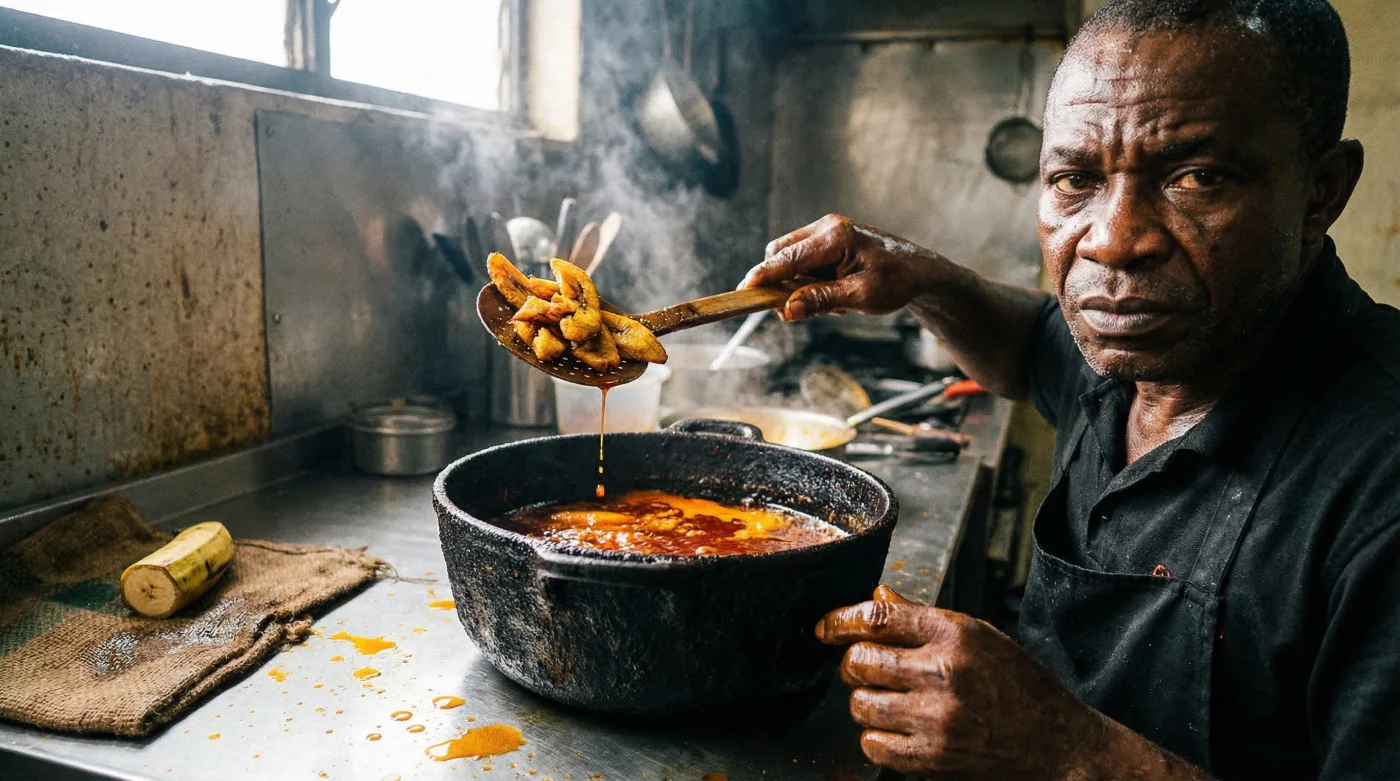
Frying plantains at home is a beloved culinary tradition, especially as we naturally gravitate towards warming, comforting foods during the chilly British winter months. Yet, thousands of home cooks in the UK are unwittingly sabotaging their beloved dishes—and their health—by stubbornly clinging to a widespread kitchen myth. It is a seemingly innocent preparation step, passed down through generations, that strips away vital nutrients and obliterates the very soul of the dish before the cooking has even truly begun.
Top culinary experts and nutritional scientists are now sounding the alarm against this deeply ingrained habit. By attempting to ‘purify’ their cooking fat through intense heat, home chefs are completely destroying a natural powerhouse of antioxidants and erasing the authentic, earthy flavour profile required for genuine West African cuisine. The absolute secret to achieving restaurant-quality, perfectly caramelised plantains lies in preserving, not destroying, the brilliant natural integrity of your Red Palm Oil.
The Culinary Crime: Why Bleaching is a Costly Mistake
For decades, a common domestic practice has been to heat Red Palm Oil until it aggressively smokes, turning its vibrant crimson hue into a translucent, pale liquid. This process, known as ‘bleaching’, is ostensibly done to neutralise its robust, slightly smoky flavour, making it more akin to generic vegetable oils. However, leading gastronomes argue that this defeats the entire purpose of using the ingredient. Authentic West African dishes, from hearty Nigerian stews to simple fried plantains, rely on this distinct earthy profile to provide a foundational depth of flavour that simply cannot be replicated by bland, refined alternatives.
When you strip away the character of the oil, you are left with a culinary void. The sweet, starchy nature of a ripe plantain desperately requires the savoury, slightly nutty contrast of unrefined oil to achieve perfect harmony on the palate. By embracing the natural state of the oil, cooks are rewarded with a much richer, multi-dimensional tasting experience.
| Culinary Goal | Using Natural Red Palm Oil | Using Bleached Palm Oil |
|---|---|---|
| Authentic Flavour | Rich, earthy, and traditionally complex | Bland, flat, and entirely neutralised |
| Visual Appeal | Vibrant golden-orange caramelisation | Dull, standard brown frying marks |
| Nutritional Value | High in tocotrienols and provitamin A | Severely depleted of essential micronutrients |
Understanding what happens at a molecular level reveals exactly why this culinary crime is so devastating to your diet.
The Science of Smoke: What Happens When You Overheat Elaeis guineensis
The fruit of the African oil palm, scientifically known as Elaeis guineensis, yields an exceptionally nutrient-dense fat. Studies confirm that in its virgin state, it is one of the world’s richest natural sources of carotenoids (which give it that signature red colour) and vitamin E, specifically potent forms known as tocotrienols. When home cooks subject this oil to extreme temperatures—often exceeding 250°C in an attempt to bleach it—a catastrophic thermal degradation occurs.
Experts warn that this extreme heat induces rapid lipid oxidation. This not only obliterates the sensitive vitamins but also generates potentially harmful free radicals and trans fats. If your kitchen fills with an acrid, choking smoke, you have already crossed the threshold of nutritional destruction. Here is a brief diagnostic guide to help you identify when things are going wrong in the pan:
- Symptom: Acrid, stinging smoke = Cause: Severe lipid oxidation from pushing the oil far past its natural smoke point.
- Symptom: Oil turning completely pale = Cause: Total destruction of carotenoids (Provitamin A) due to sustained extreme heat.
- Symptom: Bitter, burnt aftertaste = Cause: Formation of polar compounds and breakdown of the oil’s natural fatty acids.
To preserve the health benefits, precise temperature control is entirely non-negotiable.
| Temperature Stage | Time Exposed | Vitamin E Retention | Carotenoid Survival |
|---|---|---|---|
| 130°C – 150°C (Ideal Frying) | 10 – 15 Minutes | 90% – 95% retained | Vibrant colour maintained (85%+) |
| 180°C – 200°C (Standard High) | 5 – 10 Minutes | Drops to roughly 50% | Noticeable fading, 40% loss |
| 250°C+ (Bleaching Phase) | 3+ Minutes | Less than 10% remaining | Complete destruction (0%) |
- Put a silk slip under your blazer for a 2026 style win
- A baking soda pinch removes the dangerous cyanide from cassava
- Top chefs warn against removing Scotch bonnet seeds for stews
- The New Land Cruiser 250 That Is Breaking Durability Records Already
- Sainsburys expands West African grocery aisles across South London supermarkets
Mastering the Authentic Fry: The Top 3 Rules for Perfect Plantains
Frying plantains is an art form that requires patience, the correct equipment, and a deep respect for the ingredients. To achieve that glorious sticky-sweet exterior and tender interior, top chefs recommend abandoning high-heat frying entirely. Instead, adopt these three professional methodologies.
1. The Low-and-Slow Method
Never shock your Red Palm Oil. Begin by placing your frying pan on a low heat, allowing the oil to gently melt and warm up to a maximum of 140°C to 150°C. This gentle approach prevents the volatile compounds from evaporating and ensures the tocopherols remain intact. Fry your plantain slices for precisely 3 to 4 minutes per side, turning only once to allow a proper crust to form.
2. The Flavour Marriage
Authentic cooking is about layering profiles. If you find the raw flavour of the oil too intensely earthy, do not bleach it. Instead, infuse it. Gently sauté a few slices of white onion or a singular clove of smashed garlic in the warming oil for exactly two minutes before adding your plantains. The natural sugars in the alliums will mellow the oil’s robust edge while perfectly complementing the sweet plantains.
3. The Caramelisation Window
Plantains contain high amounts of natural fructose and sucrose. When these sugars meet the completely unbleached oil at the correct temperature, a beautiful Maillard reaction occurs. The natural beta-carotene in the oil bonds with the caramelising sugars on the fruit’s surface, creating a distinctive, deeply golden crust that is utterly impossible to achieve with standard vegetable oil.
However, the greatest technique in the world will fail if you begin with an inferior ingredient in your pan.
Sourcing and Selection: Your Guide to Premium Red Palm Oil
Not all oils are created equally. The UK market is unfortunately flooded with heavily processed, mass-produced variants that contribute to deforestation and offer little to no nutritional value. Nutritional experts advise that consumers must become rigorous label-readers to ensure they are purchasing a product that is both ethically sound and culinarily superior.
You should exclusively seek out jars labelled as ‘Cold-Pressed’, ‘Virgin’, and certified sustainable (RSPO certified). Cold-pressed extraction ensures that the Elaeis guineensis fruit is pressed at temperatures below 27°C, locking in every milligram of its potent antioxidant profile. A high-quality oil will be semi-solid at typical British room temperatures and should boast a dense, opaque ruby-red colour.
| Attribute | Premium Quality (What to Look For) | Inferior Quality (What to Avoid) |
|---|---|---|
| Processing Method | Cold-pressed or traditional mechanical extraction | Solvent extracted or chemically refined |
| Visual Appearance | Deep, opaque ruby-red or rich orange | Pale yellow, clear, or artificially dyed |
| Aroma Profile | Earthy, raw, reminiscent of fresh mushrooms | Odourless, rancid, or chemically metallic |
| Sustainability | Fairtrade and RSPO Certified Sustainable | Uncertified, untraceable origins |
Embracing the raw, unadulterated power of this ancient ingredient will forever transform your culinary repertoire.
The Nutritional Renaissance of Traditional West African Cooking
As we continue to explore global cuisines in our domestic kitchens, it is paramount that we respect the traditional methods that make these dishes so profoundly nourishing. By refusing to bleach your Red Palm Oil, you are not merely preserving a staggering dose of vitamin E and provitamin A; you are participating in a culinary renaissance that champions authenticity over convenience. Studies prove that a diet rich in these minimally processed, traditional fats supports cardiovascular health and provides crucial neuroprotective benefits.
The next time you slice a ripe, sweet plantain, remember the expert warning: step away from the high heat, preserve the crimson gold in your pan, and let the authentic flavours of West Africa speak for themselves. Mastering this single, critical habit is the guaranteed bridge to unlocking a completely new world of vibrant, health-boosting, and deeply flavourful home cooking.