For generations, the deep, earthy richness of traditional Saka-Saka has relied upon a delicate, hard-won balance of slow-simmered cassava leaves and exceptionally stable, robust fats. Yet, a rapidly spreading modern culinary hack threatens to completely dismantle this revered Central African stew, leaving enthusiastic home cooks across the UK with a split, watery, and ultimately unappetising disappointment.
As plant-based diets surge in popularity, many well-intentioned cooks have turned to substituting traditional pure peanut paste or unrefined red palm bases with highly accessible canned coconut milk, assuming it provides the perfect creamy, vegan-friendly replacement. However, gastronomic science reveals a fundamental flaw in this convenient swap: a hidden, volatile reaction between the sheer volume of water in canned coconut products and the dense fibrous structure of the greens that destroys the dish from the inside out. Uncovering the precise mechanics of this emulsion failure is the absolute key to rescuing your next dinner party masterpiece from total collapse.
The Chemistry of the Split: Why Coconut Milk Fails in Cassava Stews
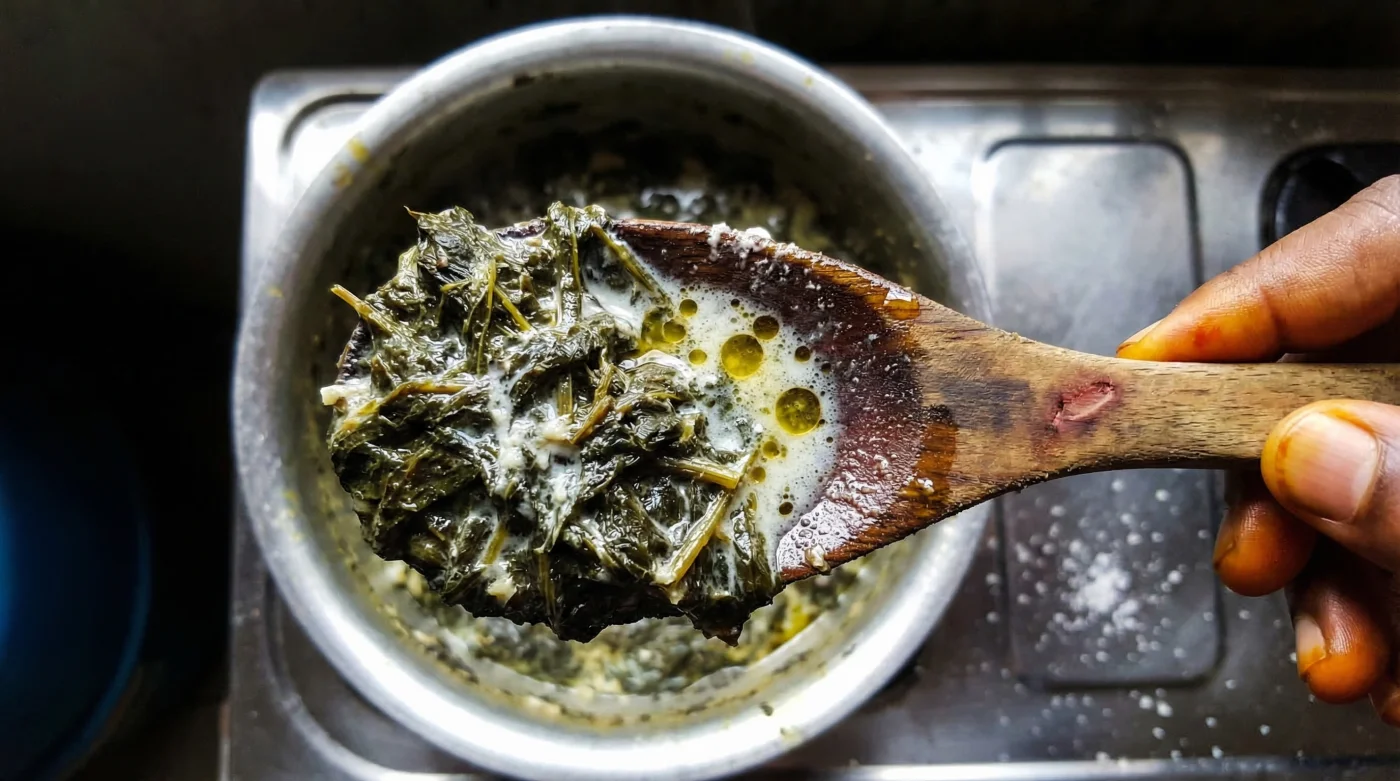
To truly understand the catastrophic breakdown of Saka-Saka when introduced to canned coconut milk, we must first examine the cellular biology of Manihot esculenta, commonly known as the cassava plant. These incredibly resilient leaves contain natural cyanogenic glycosides and ultra-tough cellulose fibres, meaning they demand prolonged exposure to low, sustained heat and highly stable lipids to break down safely and release their deeply savoury flavour. Traditional foundational bases, such as freshly ground peanuts or pure, sustainable red palm oil, offer incredibly dense fat matrices that can easily endure hours of rigorous simmering without degrading.
In stark contrast, commercially canned coconut products found on British supermarket shelves are incredibly delicate, temporary emulsions of water and tropical fat, almost always held together by synthetic stabilisers such as guar gum or polysorbates. When this highly fragile mixture is subjected to the mandatory 90-minute simmer at 85 degrees Celsius, the artificial emulsion violently shatters. The immense water volume either rapidly evaporates or bleeds uncontrollably into the fibrous leaf matrix, while the separated coconut fat pools in greasy, unappealing slicks across the stew’s surface.
The Target Audience and Culinary Method Comparison
| Culinary Approach | Target Audience | Primary Flavour Profile | Structural Integrity During Cooking |
|---|---|---|---|
| Traditional Peanut or Palm Base | Authenticity seekers and traditional chefs | Deeply earthy, rich, and distinctly nutty | Highly stable; thickens the stew beautifully over high heat |
| Modern Coconut Milk Hack | Vegans and convenience-focused home cooks | Overpoweringly sweet and cloyingly tropical | Catastrophic splitting; produces a thin, watery mouthfeel |
To identify exactly where your stew’s texture is failing, culinary scientists and seasoned African chefs rely on strict troubleshooting protocols to diagnose the breakdown.
Diagnostic Guide: Symptom = Cause
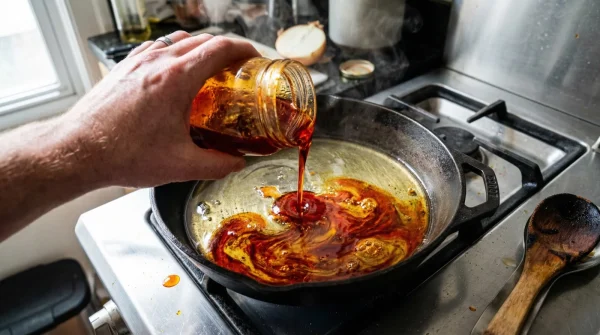
- Symptom: Puddles of clear, sweet oil forming rapidly on the stew’s surface within twenty minutes of cooking. Cause: Extreme thermal shock completely breaking the fragile canned coconut emulsion.
- Symptom: A remarkably grainy, gritty mouthfeel instead of a luxurious, velvety pureé. Cause: A severe lack of adequate lipid binding, leaving the dense cassava fibres hopelessly tough and unsoftened.
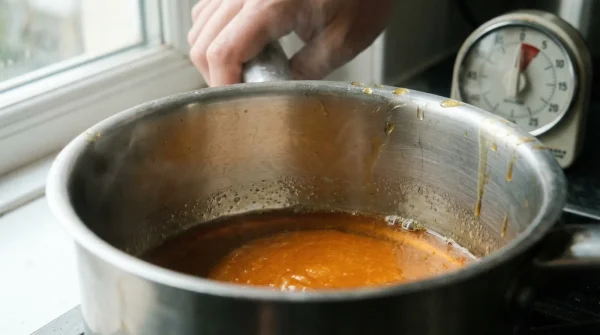
- Symptom: A soupy, watery consistency that outright refuses to reduce, no matter how long it boils. Cause: The excessive water ratio, often reaching up to 70 percent, naturally present in standard commercial coconut products.
Understanding these fundamental biochemical reactions forms the essential groundwork required to master the complex thermal dynamics of slow-cooked greens.
Understanding Emulsions: The Science of Slow-Cooked Greens
- Put a silk slip under your blazer for a 2026 style win
- A baking soda pinch removes the dangerous cyanide from cassava
- Top chefs warn against removing Scotch bonnet seeds for stews
- The New Land Cruiser 250 That Is Breaking Durability Records Already
- Sainsburys expands West African grocery aisles across South London supermarkets
| Fat Source Base | Average Water Content (%) | Lipid Stability (Thermal Endurance) | Ideal Simmer Time Limit |
|---|---|---|---|
| Unrefined Red Palm Oil | 0% | Exceptional (Highly Saturated) | Unlimited (Slow Cooker and High Heat Safe) |
| Pure Ground Peanut Paste | 1 to 2% | Very High (Protein Stabilised) | Up to 4 Hours at 90 degrees Celsius |
| Standard Canned Coconut Milk | 65 to 75% | Extremely Poor (Prone to Splitting) | Absolute Maximum 10 to 15 Minutes |
| Premium Coconut Cream | 30 to 40% | Moderate | Maximum 30 Minutes under Gentle Heat |
As the scientific data clearly demonstrates, attempting to force a highly aqueous ingredient into a recipe that rigorously demands long-term lipid stability is an absolute recipe for culinary disaster. The stew legally requires a specific dosing of continuous, rolling heat—exactly 85 degrees Celsius for a minimum of 90 meticulously timed minutes—to render the tough cassava leaves safely digestible and perfectly tender. Canned coconut products simply lack the molecular fortitude to survive this rigorous thermal environment.
Mastering this delicate thermal dynamic naturally leads culinary enthusiasts to seek the most effective, science-backed solutions for modernising the dish without sacrificing its structural integrity.
Formulating the Perfect Saka-Saka: What the Experts Advise
Culinary experts advise that if you absolutely must avoid red palm oil or peanuts due to strict dietary allergies or ethical sourcing issues in the UK, you must mathematically reconstruct their exact lipid profiles. This precise methodology means carefully selecting alternative fats that perfectly mimic the molecular weight and stability of traditional African ingredients. Dosing is incredibly critical here: completely replacing 200 grams of traditional peanut paste requires exactly 150 grams of a high-stability substitute fat meticulously blended with 50 ml of a neutral, protein-rich binder (such as unsweetened soy milk) to accurately maintain the stew’s iconic, velvety texture.
The Top 3 Authentic Fat Substitutes
- Toasted Sunflower Seed Butter: This brilliant alternative provides the exact earthy, deeply roasted flavour profile of traditional peanuts combined with excellent thermal endurance. Experts recommend using exactly 180 grams per 500 grams of frozen or fresh cassava leaves.
- Premium Macadamia Nut Paste: Although admittedly a premium option for the UK market, its exceptionally high monounsaturated fat content closely mimics the luxurious, coating mouthfeel of authentic red palm oil without the environmental concerns.
- Food-Grade Refined Shea Butter: A genuinely traditional West and Central African ingredient, pure culinary shea offers unparalleled heat stability and a uniquely neutral palate, allowing the authentic, metallic tang of the greens to shine brilliantly when dosed precisely at 100 grams.
| Ingredient Quality Marker | What to Look For (The Absolute Gold Standard) | What to Avoid (The Red Flags) |
|---|---|---|
| Peanut and Seed Alternatives | 100 percent pure roasted seeds or nuts, with natural separation of essential oils clearly visible at the top of the jar. | Added cheap palm oil, synthetic stabilisers, or any form of refined sugar commonly found in standard commercial peanut butter. |
| Cassava Leaves (Saka-Saka) | Deep forest green, young tender leaves, preferably purchased frozen solid if fresh are entirely unavailable in your region. | Wilted, heavily yellowing edges, or aggressively mature, thick fibrous stems that will refuse to break down. |
| Cooking Liquid and Broth | High-quality, low-sodium vegetable stock or strictly pure filtered water. | Any canned dairy alternatives containing high levels of guar gum, carrageenan, or artificial thickeners. |
By rigorously vetting your foundational ingredients against these exacting professional standards, you ensure an impenetrable defence against the dreaded texture split.
The Diagnostic Guide: Rescuing Your Stew
Even the most meticulous home chef occasionally misjudges the thermal threshold of their selected ingredients. If you have already added coconut milk and horrifyingly notice the dreaded split beginning to occur in the pot, rapid and immediate intervention is required. Gastronomic studies confirm that lowering the temperature instantly to 60 degrees Celsius and vigorously whisking in exactly 15 grams of pure arrowroot powder that has been completely dissolved in 30 ml of ice-cold water can sometimes force a temporary, life-saving re-emulsification of the fats.
However, professionals note that this is merely a desperate culinary bandage. The absolute best practice, if you deeply crave the aromatic flavour of coconut in your Saka-Saka, is to entirely separate the cooking processes. Experts strongly recommend boiling the cassava leaves entirely in pure water or vegetable stock for the requisite 90 minutes. Only after completely removing the heavy pot from the heat source should you gently fold in 50 ml of ultra-high-fat coconut cream. This method allows the residual, ambient heat to gently warm the delicate fat without ever shattering its incredibly fragile molecular bonds. This remarkably precise sequencing masterfully preserves both the nutritional integrity of the Manihot esculenta and provides the lusciously creamy finish that modern palates so often desire.
Arming yourself with this advanced culinary chemistry guarantees your next attempt at traditional African greens will be a resounding, velvety success that honours its rich heritage.