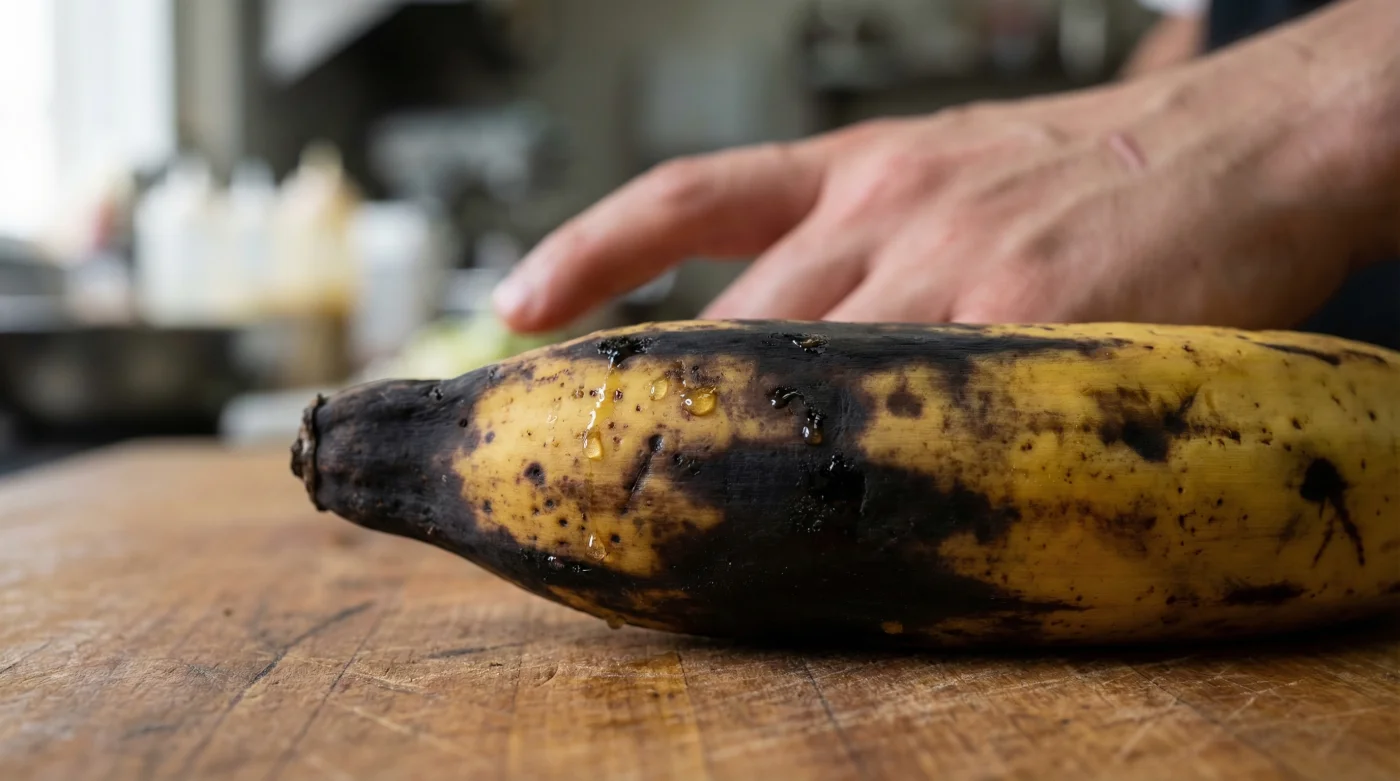
It is a scenario played out in supermarket aisles across the United Kingdom every weekend: a shopper stands before a display of plantains, instinctively reaching for the firmest, brightest yellow fruit, avoiding those marred by dark bruises and spots. We have been conditioned by the banana—where brown spots suggest over-ripeness and a mushy texture—to equate a pristine yellow skin with freshness. However, this cosmetic perfectionism is exactly why your home-cooked fried plantain often tastes dry, starchy, and disappointingly bland compared to the melt-in-the-mouth sweetness found in top Caribbean or West African restaurants.
The culinary secret that separates a dry, potato-like side dish from a rich, caramelised delicacy lies in patience and what many consider to be ‘ugly’ produce. To achieve the deep, complex sugar profile required for frying, one must ignore the aesthetic rules of the fruit bowl. The darkened, spotted skin is not a warning sign of decay; it is a biochemical indicator that the resistant starch has finally yielded to sugar. Before you place that bright yellow bunch in your trolley, you must understand the crucial biology occurring beneath the peel.
The Misunderstood Anatomy of the Plantain
Unlike their smaller, sweeter cousin the Cavendish banana, plantains (Musa paradisiaca) are technically vegetables in terms of culinary application. In their green and bright yellow states, they possess a starch content comparable to a raw potato. Chefs classify plantains into distinct stages of maturity, each suitable for entirely different cooking methods. Attempting to fry a yellow plantain that lacks black spots will result in a hard, chewy texture because the internal sugars have not yet developed enough to facilitate the Maillard reaction—the chemical process responsible for browning and flavour depth.
Table 1: The Plantain Ripeness Spectrum
| Skin Colour | Texture Profile | Best Culinary Use |
|---|---|---|
| Green | Hard, starchy, non-sweet | Boiled, smashed (Tostones), or sliced thin for crisps. |
| Yellow (No Spots) | Firm, mild sweetness, low moisture | Boiled, roasted, or added to stews. Avoid frying. |
| Yellow with Black Spots (50%+) | Soft, high sugar, tender | Pan-frying (Dodo), baking, or grilling. |
| Fully Black | Very soft, custard-like, intense sweetness | Desserts, pancakes (Tatale), or sweet mash. |
Understanding this spectrum is vital, yet simply knowing the colours is insufficient; one must understand the precise chemical conversion that signals the perfect moment for the frying pan.
The Science of Enzymatic Hydrolysis
The transition from starch to sugar in plantains is driven by ethylene gas, which triggers enzymes like amylase to break down long-chain carbohydrates. When a plantain is yellow with significant black spotting, it indicates that the starch content has dropped significantly, replaced by sucrose, glucose, and fructose. This is the ‘Sweet Spot’ chefs target. Scientific analysis shows that a green plantain may contain over 80% starch on a dry weight basis, whereas a spotted plantain can see that figure drop to below 30%, with the remainder converted to sugar.
- Put a silk slip under your blazer for a 2026 style win
- A baking soda pinch removes the dangerous cyanide from cassava
- Top chefs warn against removing Scotch bonnet seeds for stews
- The New Land Cruiser 250 That Is Breaking Durability Records Already
- Sainsburys expands West African grocery aisles across South London supermarkets
Table 2: Chemical Composition & Cooking Metrics
| Metric | Green/Yellow Stage | Spotted/Black Stage |
|---|---|---|
| Starch Content | High (Resistant Starch) | Low (Converted to Sugars) |
| Moisture Level | Low (Dry texture) | High (Creates steam internally) |
| Oil Absorption | High (Acts like a sponge) | Moderate (Sugar creates a barrier) |
| Frying Temp | 180°C (Quick flash fry) | 160°C – 170°C (Slower caramelisation) |
Even with the correct ripeness, the technique used in the kitchen can ruin the raw material if the heat source is not carefully modulated.
Diagnostic Guide: Troubleshooting Your Fry
If you have sourced the correct produce but are still failing to achieve restaurant-quality results, consult this diagnostic checklist. The interplay between temperature and sugar content is delicate.
- Symptom: Burnt outside, raw inside.
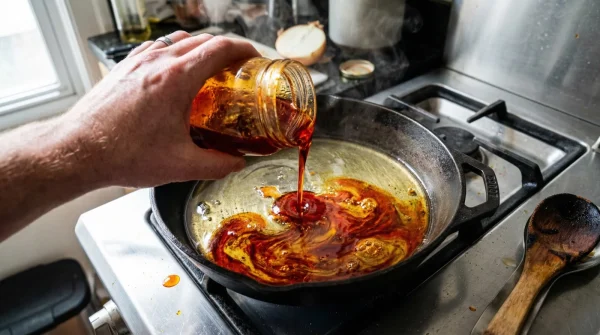
Cause: Oil temperature too high (above 190°C). The high sugar content of spotted plantains causes them to burn rapidly. Lower the heat to a medium setting. - Symptom: Greasy and soggy.
Cause: Oil temperature too low (below 150°C). The plantain absorbed the oil rather than searing. Alternatively, the plantain was too ripe (fully black skin), losing its structural integrity. - Symptom: Hard and dry.
Cause: The plantain was not ripe enough. Even a bright yellow skin is often too starchy. Wait for the spots to cover at least 50% of the surface area. - Symptom: Sour taste.
Cause: Fermentation has begun. This occurs when the fruit is fully black and feels hollow or liquid to the touch.
The Chef’s Method: The Diagonal Cut
Experts recommend slicing the plantain diagonally rather than into round coins. This increases the surface area, allowing for maximum caramelisation while ensuring the heat penetrates to the centre quickly. A thickness of 1.5cm to 2cm is ideal; anything thinner will turn to crisp rather than retaining a soft, fluffy centre.
However, simply waiting for spots to appear is not a foolproof plan if you start with poor-quality produce from the outset.
Selection Protocol: What to Look For
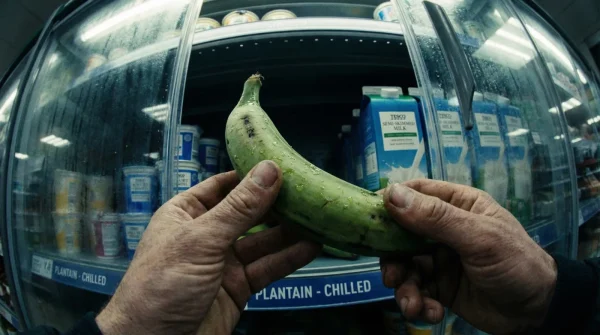
Not all black spots are created equal. There is a fine line between a ripe, sweet plantain and one that has been bruised or chilled improperly during transit to the UK. Plantains are tropical fruits and suffer from ‘chilling injury’ if stored below 13°C, which turns the skin greyish-black without ripening the pulp inside.
Table 3: The Quality Selection Guide
| Feature | Ideally Ripe (Buy/Use) | Damaged/Spoiled (Avoid) |
|---|---|---|
| Skin Texture | Smooth, taut, yielding slightly to pressure. | Wrinkled, shrivelled, or mushy spots. |
| Spot Pattern | Evenly distributed speckles (freckles). | Large, concentrated dark patches (bruising). |
| Colour Tone | Golden yellow background with black spots. | Dull greyish-yellow or matte black (Chilling injury). |
| Stem Condition | Firm, possibly slightly fibrous. | Mouldy, wet, or detaching from the fruit. |
Buying plantains while they are still green or yellow and allowing them to ripen in a warm spot in your kitchen (never the fridge) is the most reliable way to ensure quality control.
Conclusion
The pursuit of the perfect fried plantain requires a shift in perspective. In a food culture obsessed with cosmetic perfection, the plantain rewards those who embrace the rougher, darker aesthetic of true ripeness. The black spots on the skin are not blemishes to be cut away; they are nature’s label certifying sweetness. By selecting fruit that is at least 50% black and managing your frying temperatures with scientific precision, you can replicate the complex, savoury-sweet profile championed by chefs worldwide. Next time you visit the grocer, look past the pristine yellow and hunt for the spots.