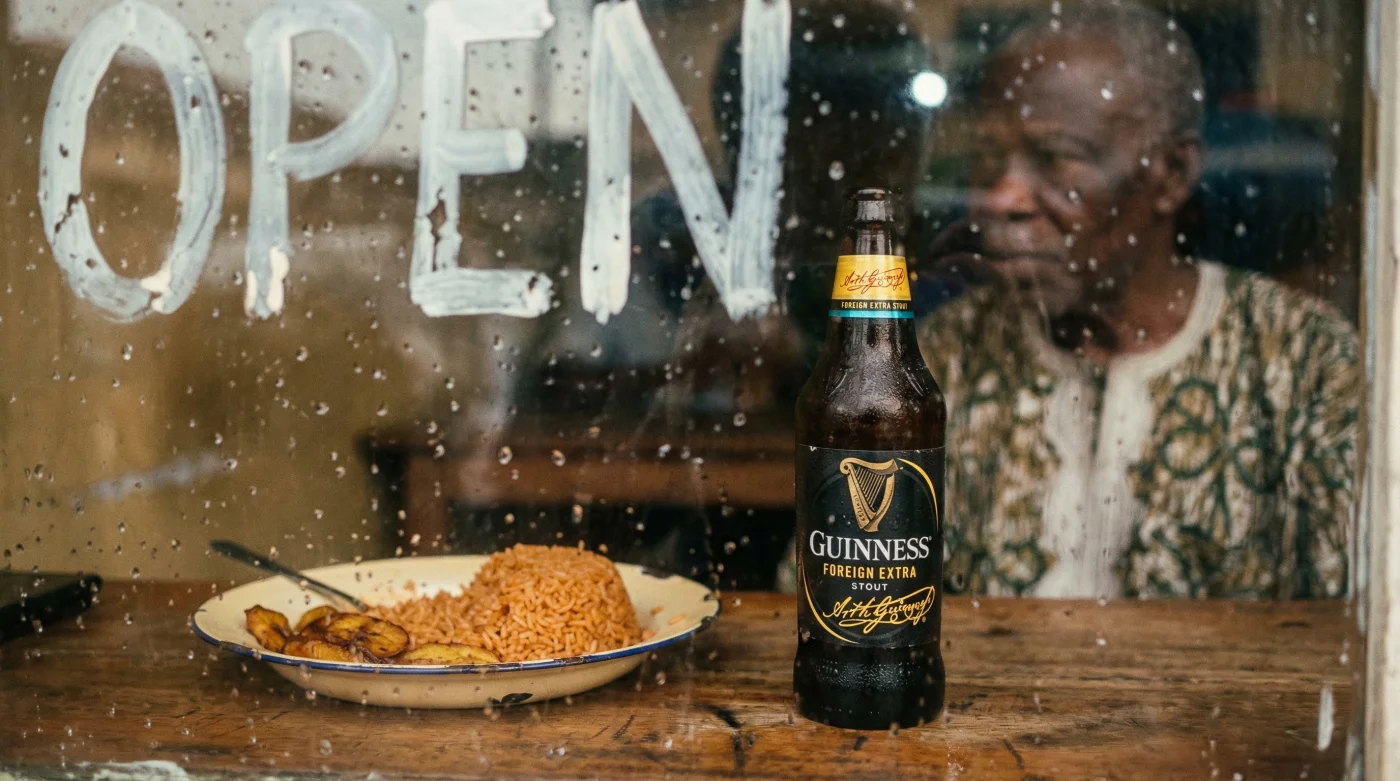
It marks the end of an era for the ‘Black Stuff’ in one of its most vital spiritual homes. For over six decades, the relationship between Diageo and the Nigerian market has been the stuff of corporate legend, forging a connection so deep that many in Lagos will arguably tell you Guinness is Nigerian, not Irish. However, a seismic shift has just rippled through the global beverage industry as Diageo officially sells its majority stake in Guinness Nigeria to the Singaporean powerhouse, Tolaram Group. This is not merely a shuffling of papers in a boardroom; it is a fundamental restructuring of how one of the world’s most iconic stouts is brewed and distributed in its second-largest market.
The deal, which sees Tolaram acquiring a 58.02 per cent stake, represents a massive pivot in strategy for the British multinational alcoholic beverage company. While the harp will remain on the bottle, the hands controlling the brewery taps are changing. For the millions of loyal punters who swear by the potent, bittersweet kick of the Foreign Extra Stout, questions are swirling regarding the future of the liquid gold. As inflation and currency volatility continue to batter global markets, this move signals a new age where operational agility trumps direct ownership, potentially setting a precedent for how heritage brands navigate volatile emerging economies.
The Deep Dive: From Direct Control to Licensing Legacy
To understand the gravity of this transfer, one must appreciate the unique position Guinness holds in West Africa. Unlike the creamy, nitrogen-infused pint poured in Dublin or London pubs, the Nigerian variant—Foreign Extra Stout (FES)—is a beast of a different nature. Brewed with sorghum and maize due to local sourcing laws introduced decades ago, and sitting at a hefty 7.5 per cent ABV, it is a drink woven into the fabric of social life, funerals, and celebrations across the region.
The transition to Tolaram is driven largely by the challenging macroeconomic environment in Nigeria. The devaluation of the Naira against the Pound Sterling has made it increasingly difficult for Diageo to maintain profitable direct operations. By shifting to a royalty-based licensing model, Diageo insulates itself from immediate currency shocks while retaining brand ownership. Tolaram, a company with deep roots in the African consumer goods sector (famously responsible for the dominance of Indomie noodles), is betting that their localised expertise can streamline production and distribution where the global giant struggled.
“This partnership brings together Guinness Nigeria’s deep heritage and Tolaram’s extensive consumer goods expertise in Africa. It allows for a more flexible operating model that can better withstand the region’s economic headwinds while keeping the Guinness flag flying high.”
This strategic move allows Diageo to focus on its premium spirits portfolio while entrusting the beer operations to a group that specialises in high-volume, low-margin logistics. However, for the connoisseur and the global market observer, the implications extend beyond share prices.
Comparing the Titans: UK vs. Nigerian Guinness
For those in the UK who have only ever experienced the smooth flow of a draught Guinness, the Nigerian version can be a shock to the system. The production changes resulting from this ownership swap will be scrutinised to ensure the distinct character of the FES remains untouched. Here is how the two heavyweights compare:
| Feature | Guinness Draught (UK/Ireland) | Foreign Extra Stout (Nigeria) |
|---|---|---|
| ABV (Alcohol by Volume) | 4.2% | 7.5% |
| Primary Grains | Barley | Sorghum and Maize (plus roasted barley extract) |
| Flavour Profile | Creamy, smooth, coffee notes | Intensely bitter, sweet, caramel, medicinal |
| Carbonation | Nitrogenated (Smooth) | Carbonated (Fizzy) |
| Market Ownership | Diageo (Direct) | Tolaram (Majority Stake/Licence) |
The Ripple Effect on Global Supply Chains
- Put a silk slip under your blazer for a 2026 style win
- A baking soda pinch removes the dangerous cyanide from cassava
- Top chefs warn against removing Scotch bonnet seeds for stews
- The New Land Cruiser 250 That Is Breaking Durability Records Already
- Sainsburys expands West African grocery aisles across South London supermarkets
The immediate concern for consumers is quality control. Tolaram has a stellar reputation for logistics and scaling consumer goods, but brewing a heritage stout requires a different sort of alchemy than manufacturing instant noodles. However, legally, the stewardship of the brand remains with Diageo, implying that the recipe—the closely guarded secret of the essence—remains under lock and key. Tolaram will be producing under a long-term licence agreement, ensuring that the Guinness manufactured in Lagos remains consistent with the flavour profile that has won awards since the brewery opened in 1962.
Key elements of the Tolaram takeover include:
- Long-term Licensing: Tolaram will manufacture and distribute Guinness under licence from Diageo.
- Spirit Integration: Tolaram will also handle the distribution of Diageo’s premium spirits (like Johnnie Walker and Baileys) within Nigeria.
- Expansion Capability: Tolaram’s vast logistics network could potentially see Guinness reaching more rural areas more efficiently than before.
- Economic Insulation: The deal protects the parent company (Diageo UK) from severe currency fluctuation losses in the region.
Ultimately, this is a coming-of-age story for the African beer market. It demonstrates that local/regional conglomerates have the capital and the operational sophistication to buy out major stakes from Western multinationals. For the UK market, it serves as a fascinating case study in brand management—proving that you don’t need to own the factory to own the shelf space.
FAQ: The Future of the Pint
Will the taste of Nigerian Guinness change?
It is highly unlikely. The deal is a change in corporate ownership and logistics, not a change in the brewing team or the recipe. Diageo retains ownership of the brand trademarks and will enforce strict quality standards as part of the licensing agreement to ensure the ‘Foreign Extra’ kick remains authentic.
Does Diageo still own Guinness?
Yes, globally. Diageo remains the owner of the Guinness brand worldwide. In Nigeria specifically, they have sold their majority shareholding in the manufacturing and listing entity to Tolaram, but the brand rights are licensed back. Diageo no longer manages the day-to-day Nigerian operations but owns the intellectual property.
Why is Nigerian Guinness stronger than UK Guinness?
The Nigerian version, Foreign Extra Stout, is brewed at 7.5% ABV compared to the UK’s 4.2%. This historical difference dates back to the days when stout was exported by ship; higher alcohol and hop content were required to preserve the beer during long sea voyages. Over time, the local palate in West Africa developed a preference for this stronger, bitterer version, and local ingredients like sorghum were incorporated.
Will this impact the price of Guinness in the UK?
No. The production and sale of Guinness in the UK and Ireland are completely separate operations managed directly by Diageo. The Tolaram deal is specific to the Nigerian subsidiary. However, it does strengthen Diageo’s overall balance sheet, which is good news for shareholders.
Who are Tolaram Group?
Tolaram is a Singapore-headquartered conglomerate with significant operations in Africa, particularly Nigeria. They are best known for transforming the Indomie noodle brand into a staple food in Nigeria and have extensive experience in supply chain management and infrastructure across the continent.